FHA Loans for Move-Up Buyers: Tips for a Smooth Transition
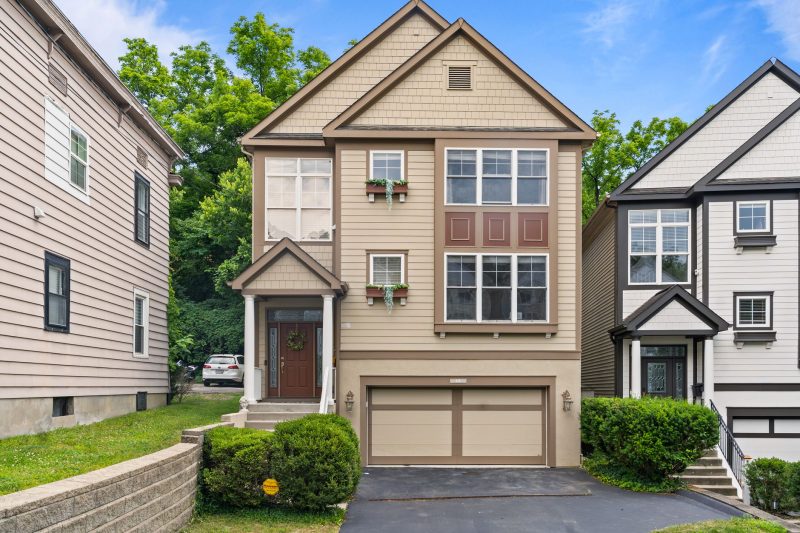
Buying your next home should be a step forward, but the realities of selling, buying, and qualifying in today’s market aren’t always simple. FHA loans are government-backed mortgages that allow qualified buyers to purchase a home with a low down payment and flexible credit guidelines—often making them a powerful tool for move-up buyers balancing two properties. In this guide, we’ll walk through how FHA loans work for move-up scenarios, what to expect during the process, and strategies the team at MOR Lending (NMLS# 1992934) uses to help buyers in Florida and beyond make their next move with confidence.
Key Takeaways
- Purpose: FHA loans help move-up buyers purchase their next home with a lower down payment and more flexible qualifying guidelines.
- Requirements: Minimum 3.5% down payment, mortgage insurance, property must be the borrower’s primary residence, and certain debt-to-income standards.
- Timeline: Typical FHA purchase closings can range from 30 to 45 days; coordination with your home sale may impact timing.
- Best For: Buyers moving up from their first home, those with limited down payment funds, or borrowers with less-than-perfect credit history.
Quick Answers
- Can I use an FHA loan if I already own a home? Yes, if you plan to make the new home your primary residence. FHA allows qualified buyers to move up while selling their existing home or, in specific cases, keep both.
- What’s the minimum down payment for an FHA loan? FHA loans require as little as 3.5% down for buyers who qualify.
- Do I have to sell my current home first? You may not have to, but qualifying with two mortgages is stricter. Documentation for both properties’ expenses and potential rental income may be needed.
- Will I pay mortgage insurance? Yes. FHA requires both upfront and monthly mortgage insurance premiums—amounts vary based on loan details and can change over time.
- Are FHA loans only for first-time buyers? No. FHA loans are available for any eligible borrower purchasing a primary residence, including move-up buyers.
What Is an FHA Loan and Why Do Move-Up Buyers Use Them?
FHA loans are designed to open doors for buyers who don’t fit traditional lending guidelines—whether that means a smaller down payment, credit that’s seen a few bumps, or non-traditional documentation. For move-up buyers in Florida and across markets like Dallas, Denver, Phoenix, and Atlanta, the FHA option is often about flexibility. If high home prices have made it tough to accumulate a big down payment, or if the timeline between selling and buying isn’t lining up perfectly, FHA financing keeps the conversation going—so your next chapter isn’t derailed.
Unlike some conventional programs, FHA doesn’t reserve its benefits purely for first-time homebuyers. As long as you’re planning to live in your new home as your primary residence, haven’t used up your FHA entitlements (meaning you don’t have an existing FHA loan on another property), and meet the guidelines, you’re eligible to use an FHA loan for your move-up purchase.
FHA Loan Basics for Move-Up Buyers
- Down payment: Most buyers need just 3.5% down if their credit meets FHA minimums. That’s what makes FHA attractive when equity from the sale of your current home is limited or tied up until closing.
- Credit standards: FHA’s credit criteria are generally more forgiving. Previous late payments or less-than-perfect scores won’t necessarily keep you out of the market.
- Mortgage insurance: FHA loans come with mortgage insurance—both upfront and monthly. This protects the lender, but also allows for more accessible borrower standards.
- Property type: You’ll need to make the new property your primary residence; no second homes or investment properties under standard FHA rules.
- Loan limits: FHA sets county-specific limits. In high-cost areas like Dade, Broward, Palm, and comparable counties in other states, limits are higher than average—ask us if you’re on the edge.
Common Challenges When Moving Up With FHA
Switching homes isn’t just about new keys. Financing two properties at once, juggling closing dates, and making sure you qualify on paper can get complicated quickly. Here’s what we see most often—and how we help:
1. Buying Before You Sell
Some move-up buyers want to secure the new property before letting go of the old one. FHA allows it, but you must qualify with both payments unless you have a signed contract on your current home or verifiable rental income lined up. This is where creative financing without cutting corners matters. Our team walks through the debt-to-income calculation early, so there are no surprises halfway through.
2. Using Equity for Your Next Down Payment
If the majority of your funds are locked in your current home, timing between transactions is everything. Bridge loans and short-term solutions exist, but each comes with its own risks and documentation—coordination is crucial. We’re big believers in modeling all the ‘what if’ scenarios upfront.
3. Appraisal Gaps and Market Shifts
As values shift—especially in high-cost, fast-moving markets—the FHA appraisal process can impact your offer strategy and timeline. The FHA has property condition standards and appraisers have a strict checklist. If you’re considering properties in older neighborhoods or rural fringes Orlando, Tampa, or new construction in Houston, we’ll review potential appraisal issues in advance.
4. Qualifying With New Types of Income
Own your own business or switching from W-2 to self-employed? FHA is accessible, but documentation may be more thorough. Solutions for entrepreneurs often involve reviewing tax returns, business statements, or even exploring bank statement loans under alternative programs. We’ll make sure you land on the right fit—because traditional guidelines don’t fit everyone.
Step-by-Step: FHA Move-Up Buyer Process
- Strategy Session: We start with a review of your full scenario—current home status, timing goals, and financial picture. The answer isn’t always obvious on day one, but a clear game plan is non-negotiable.
- FHA Pre-Approval: We collect paperwork, review credit, analyze income (including if you’re selling, renting, or keeping your old home), and calculate what you can safely afford. Sellers and real estate agents prioritize strong, fully underwritten pre-approvals in today’s market.
- Coordinate Sale and Purchase: If you’re selling, we work with your agent to line up dates. Contingencies may be used, but understanding their impact on your offer strength is part of the education process.
- Offer and Earnest Money: Once you find a home, we advise on negotiating terms that keep your timelines in sync—and protect your down payment funds.
- Loan Processing and Appraisal: We order FHA appraisal, navigate potential repairs (if needed), and keep your file moving. Clear communication is our safety net here.
- Closing and Transition: When dates converge, we coordinate funding, title, and logistics so your move (and your finances) are smooth—even when the market isn’t. That’s performance over promises, every time.
FHA vs. Conventional for Move-Up Buyers: What’s Different?
| Feature | FHA Loan | Conventional Loan |
|---|---|---|
| Minimum Down Payment | 3.5% (most buyers) | As low as 3% (for certain buyers) |
| Credit Guidelines | More flexible, allows lower scores | Stricter score and debt standards |
| Mortgage Insurance | Required for all, upfront + monthly | Required if less than 20% down; can fall off over time |
| Loan Limits | Set by FHA, may be lower than local home prices in some high-cost markets | Set by FHFA; often higher, especially for Jumbo loans |
| Property Occupancy | Must be primary residence | Primary, second home, or investment allowed |
While both have their place, FHA frequently gives move-up buyers a path forward when conventional lender overlays get in the way. If you’re unsure, ask—one deep dive into your numbers often surfaces opportunities other lenders may overlook.
FAQ: Common FHA Move-Up Scenarios
- Selling your current home before closing on your next? This keeps things simple. Sale proceeds fund your down payment and you show only one mortgage at a time.
- Buying before you sell? Qualifying with both payments is required unless you have a contract to sell or renters lined up. Documentation matters—let’s plan early.
- Keeping your existing home as a rental? FHA allows it, but you’ll need to prove enough income to safely cover both, and the new property must be your primary.
How MOR Lending Can Help Move-Up Buyers Succeed
At MOR Lending, we work with move-up buyers in Miami, Orlando, Dallas, Denver, Nashville, and all the markets where timing, strategy, and education matter. Real estate wealth begins with the right financing strategy, and we approach each scenario like a puzzle to solve—not a transaction to close. Our FHA specialists understand the nuances of selling, buying, and qualifying, especially for the self-employed or borrowers with unique profiles. If you need a more flexible approach, or programs like FHA home loans aren’t the perfect fit, we’ll explain the pros, cons, and alternatives—all before you’re under contract.
Next Steps: Planning Your FHA Move-Up Strategy
If you’re considering an FHA loan for your next step—or wondering if another option fits better—start with a conversation, not an application. Our team sets up every move with a custom review, running the numbers and timelines before you list or tour your next home. To compare home loan options, set up your pre-approval, or just talk through the move-up process for your scenario, call, text, or email us any time. MOR Lending is here to help you make a confident move.
Frequently Asked Questions
Can I use an FHA loan for a second home or investment property?
No. FHA loans are for primary residences only. If you want to purchase a second home or rental, consider a conventional or investor-focused program.
What if I need to buy before my current home sells?
Buying with an FHA loan before your sale is possible, but you’ll need to qualify with both mortgage payments unless you have a binding contract to sell or qualifying rental income. Upfront planning and documentation are critical in these scenarios.
Are there limits to how many FHA loans I can have?
Generally, you can only have one FHA loan at a time. Exceptions exist in rare cases (relocation or significant increase in family size), but most move-up buyers must sell or pay off their previous FHA property first.
How fast can I close with an FHA loan?
FHA loans typically close in 30 to 45 days, depending on appraisal timing, documentation, and how closely the sale and purchase are coordinated. Early preparation speeds up the process.
Will using FHA make my offer less competitive?
Some sellers prefer conventional offers, but a strong pre-approval and clean financing package can help. We work with buyers to present their FHA financing in the best light and address any seller concerns up front.
This is educational and not financial advice. Loan programs and guidelines can change. Talk with a licensed mortgage professional about your specific scenario.

Roy George
MOR Lending serves markets across the U.S. and has helped thousands of clients/investors/families finance their new home purchase. We specialize in Self Employed, Investor, Veteran, first-time homebuyer and non traditional loan types.

Related Posts