Buying your next home before selling your current one can create pressure around the down…
Move-Up Buyers: Finance Before Selling Your Home
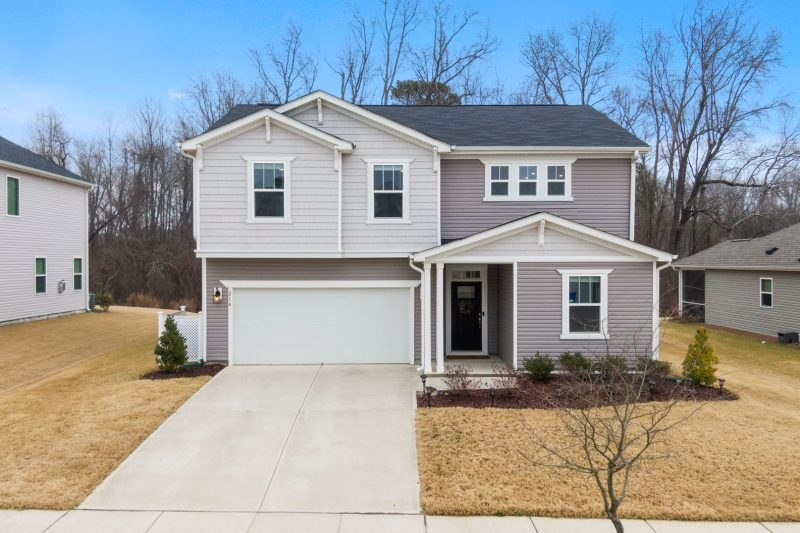
Buying your next home can feel complicated when your down payment is still tied up in the home you own.
Move-up buyers may be able to finance a new home before selling by qualifying with both properties, using available equity, or structuring short-term financing around the expected sale.
In this guide, we’ll explain the main financing options, how lenders review the numbers, and what to plan for before making an offer.
Key Takeaways
- Strategy: Buyers may qualify by carrying both homes, accessing current equity, or using financing designed to bridge the timing gap.
- Qualification: Lenders typically review income, credit, reserves, existing housing expenses, and the proposed new payment.
- Timing: Planning should begin before making an offer because equity access, appraisals, and underwriting can take several weeks.
- Best For: This approach may work for borrowers who need to secure their next property before their current home closes.
At MOR Lending (NMLS# 1992934), we help move-up buyers understand the numbers before they make the move. That means reviewing the current mortgage, available equity, expected sale proceeds, new payment, and cash needed at closing — then building a strategy around the full picture.
Quick Answers for Move-Up Buyers
- Can we buy before our current home sells? Possibly. Approval depends on whether the loan can be structured around both properties, documented equity, available reserves, and the borrower’s complete financial profile.
- Will both mortgage payments count? They often do unless the current property qualifies for specific treatment under the applicable loan guidelines.
- Can we use equity without selling first? A home equity line, home equity loan, cash-out refinance, or bridge-style loan may provide access to equity, subject to qualification and lender requirements.
- Should we make a contingent offer? A home-sale contingency can reduce financial exposure, but whether a seller accepts it depends on the contract terms and market conditions.
Why Buying Before Selling Can Be Challenging
Most move-up buyers don’t lack equity. The issue is timing.
A borrower may have substantial value in a current home but limited liquid cash for the next down payment. At the same time, the lender may need to include the current mortgage, property taxes, insurance, association dues, and the payment on the new home when calculating qualification.
That creates two separate questions:
- Do you have enough accessible funds to complete the purchase?
- Can you qualify while the existing home is still owned?
We look at both questions from the start. A strategy that solves the down payment but creates an unmanageable debt-to-income ratio isn’t a complete strategy. The structure has to work through underwriting, closing, and the eventual sale.
Four Ways to Finance a New Home Before Selling
1. Qualify While Carrying Both Homes
The simplest structure is often qualifying for the new mortgage while keeping the current home. In that case, the lender generally evaluates both housing payments along with other monthly obligations.
This approach may work when income is strong enough to support both properties and the borrower has sufficient funds for the down payment, closing costs, and required reserves. It can also give buyers more control over the moving timeline because the purchase isn’t directly dependent on the sale closing first.
For higher-priced properties in Miami-Dade, the new financing may fall into the jumbo home loan category. Jumbo guidelines commonly require closer review of assets, reserves, credit, and overall risk.
2. Access Equity Before the Sale
A borrower may be able to access equity through a home equity line of credit, home equity loan, or cash-out refinance. The funds can potentially be used toward the new down payment and closing costs when permitted by the loan program.
The right choice depends on the current mortgage, available equity, repayment terms, transaction costs, and expected sale timeline. Replacing an existing first mortgage may not make sense in every scenario. A second-lien option could preserve the current mortgage, but it adds another payment that may affect qualification.
Equity also isn’t calculated from an estimated sale price alone. The lender will generally rely on an appraisal or another approved valuation method, apply its loan-to-value guidelines, and verify all liens against the property.
3. Use Bridge-Style Financing
Bridge financing is short-term financing designed to help cover the gap between purchasing a new property and selling an existing one.
Depending on the lender and program, the financing may be secured by the current home, the new home, or both. Repayment is commonly expected after the existing property sells or within a defined loan term.
Bridge-style programs can provide flexibility, but they require careful review. Rates, fees, equity requirements, payment structures, and qualification standards vary. Some programs require the current home to be listed, while others may have specific reserve or exit-strategy requirements.
Creative financing without cutting corners means understanding how the short-term loan will be repaid — not simply focusing on getting to the purchase closing.
4. Use a Home-Sale Contingency
A home-sale contingency makes the purchase dependent on selling the current property under the terms written into the contract. This can reduce the risk of owning two homes longer than expected.
The tradeoff is that a contingent offer may be less attractive to a seller than an offer without that condition. Contract terms, local inventory, timing, and the status of the current listing can all influence how the offer is viewed.
This isn’t only a mortgage decision. Buyers should coordinate financing terms with their real estate professional and review contract protections with an appropriate legal professional.
Move-Up Buyer Financing Options Compared
| Strategy | How It Works | Primary Consideration |
|---|---|---|
| Carry both homes | Qualify with the existing and proposed housing obligations. | Income, debt-to-income ratio, cash to close, and reserves. |
| Access current equity | Borrow against the current home before it sells. | Available equity, added payment, valuation, and closing timeline. |
| Bridge-style loan | Use short-term financing until the existing property is sold. | Repayment plan, fees, loan term, and sale risk. |
| Contingent purchase | Make the purchase dependent on the current home selling. | Seller acceptance, contract deadlines, and coordination between transactions. |
How Lenders Evaluate a Buy-Before-You-Sell Plan
Approval isn’t based on equity alone. Lenders generally evaluate the borrower, both properties, and the full transaction structure.
Income and Employment
W-2 income is commonly reviewed through pay statements, tax forms, and employment verification. Self-employed income usually requires a deeper analysis of tax returns, business documents, or an eligible alternative documentation program.
Traditional guidelines don’t fit everyone. For qualified self-employed borrowers, bank statement loans may use eligible deposits to evaluate cash flow instead of relying only on traditional tax-return income. Program rules vary, and personal and business deposits may be treated differently.
Current and Proposed Housing Expenses
The lender may review principal and interest, property taxes, homeowners insurance, flood insurance when applicable, mortgage insurance, and association dues. This matters in Miami’s coastal and condo-heavy communities, where insurance and association expenses can materially change the monthly payment.
Cash to Close and Reserves
Cash to close can include the down payment, lender and third-party costs, prepaid expenses, and required escrow funding. Reserves are funds remaining after closing, commonly measured against monthly housing obligations.
Required reserves vary by loan type, property use, number of financed properties, and overall borrower profile. Jumbo and non-QM programs may apply different standards than conventional, FHA, or VA financing.
Current Home Status
Underwriting may consider whether the current home is listed, under contract, or scheduled to close. A fully executed sales contract may help document the exit strategy, but it doesn’t automatically remove the existing payment from qualification.
The treatment depends on the loan program, documentation, financing contingencies, and current guidelines as of 2026. The file needs to be reviewed based on its actual facts — not assumptions about what the future sale will solve.
What Happens After the Current Home Sells?
Once the existing property closes, the sale proceeds can be used according to the borrower’s plan. That may include paying off bridge financing, restoring cash reserves, reducing other debt, or making a principal payment on the new mortgage.
Some loans may allow a recast after a substantial principal reduction. A mortgage recast recalculates the monthly principal and interest payment using the lower balance while generally keeping the existing loan’s rate and remaining term.
Recasting isn’t available on every loan. Minimum principal-payment rules, servicing requirements, processing costs, and timing vary. It should be confirmed before choosing the original financing structure.
A refinance may be another option after the sale, but it creates a new loan and is subject to future market rates, qualification, appraisal requirements, and closing costs. We don’t build a purchase strategy around the assumption that refinancing will automatically be beneficial later.
A Better Process Starts Before the Offer
The strongest move-up plan is built early. We want to understand what works if the current home sells quickly — and what happens if it doesn’t.
Before shopping for the next property, we typically review:
- The estimated value and mortgage balance of the current home
- Expected net proceeds after liens and selling expenses
- Accessible funds for the down payment and closing
- Income documentation and monthly obligations
- The estimated payment for the target purchase range
- Reserve requirements for the proposed loan
- Backup plans if either closing date changes
We then compare the available mortgage loan options and explain the tradeoffs. The goal isn’t to force every buyer into the same structure. It’s to create a clear plan, test the numbers, and know the next steps before deadlines start moving.
Plan the Move With the Full Picture
Buying before selling can solve a real timing problem, but the details matter. The best structure depends on income, equity, liquidity, property type, loan size, and how long the current home may remain unsold.
We help move-up buyers across Miami, Coral Gables, Doral, Aventura, Brickell, Pinecrest, and surrounding Miami-Dade communities compare those variables. Rates, fees, program terms, and underwriting requirements can change, so every option should be verified using current guidelines and the borrower’s complete scenario.
If you’re considering your next home, call, text, or email us. We’ll review the current property, compare financing options, and map out the pre-approval steps so you understand what’s possible before making an offer.
Frequently Asked Questions
Can projected sale proceeds be used as verified funds to close?
Sale proceeds generally must be documented and available according to the loan program’s requirements. If the purchase closes before the sale, another eligible and verified source of funds may be needed.
Can rental income from the current home help with qualification?
It may help if the borrower plans to keep the current home as a rental and the income meets the program’s documentation rules. Lenders may require a lease, market-rent analysis, reserves, and evidence that the property is ready for rental use.
Can a VA borrower purchase before selling another home?
Potentially, depending on income, debts, available entitlement, occupancy requirements, and the complete loan profile. The existing VA loan and proposed purchase should be reviewed before the borrower makes an offer.
Does a condo purchase change the financing process?
It can. In addition to reviewing the borrower, lenders may evaluate the condominium project, insurance, budget, assessments, litigation, and other eligibility factors based on the loan program.
What if the current home does not sell on schedule?
The borrower remains responsible for the applicable payments and loan terms until the property sells. A sound plan should account for additional carrying time, available reserves, bridge-loan maturity dates, and possible changes to the sale strategy.
This is educational and not financial advice. Loan programs and guidelines can change. Talk with a licensed mortgage professional about your specific scenario.

About the Author
Roy George
President at MOR Lending · NMLS #286565
MOR Lending serves markets across the U.S. and has helped thousands of clients/investors/families finance their new home purchase. We specialize in Self Employed, Investor, Veteran, first-time homebuyer and non traditional loan types.
Specializes in: Non QM, FHA, Construction
Licensed in: AZ, CA, CO, FL, GA, NC, SC, TN, TX

Related Posts