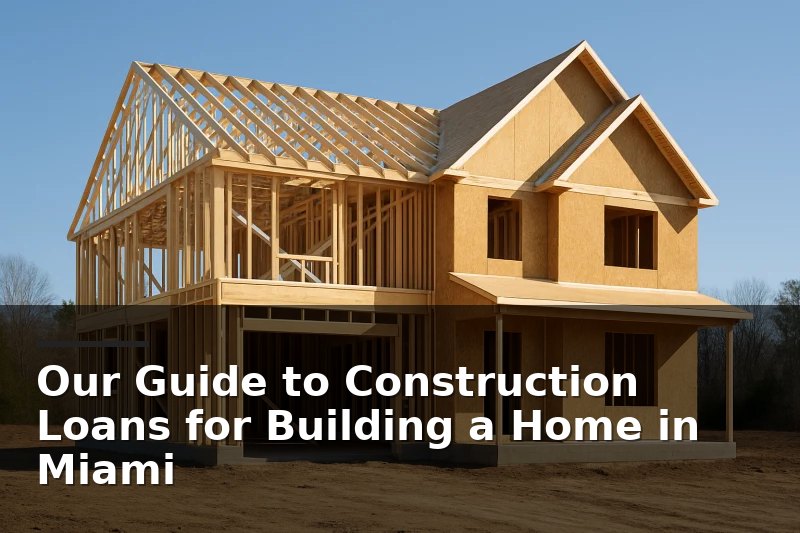
Our Guide to Construction-to-Permanent Loans for Custom Homebuyers

Building a custom home gives you control over the final result, but financing the land, construction, and permanent mortgage can feel like three transactions at once. A construction-to-permanent loan combines construction financing and a long-term mortgage into one loan process, with funds released in stages as the home is built and the balance converting after completion. In this guide, we’ll explain how these loans work, what lenders review, and what custom homebuyers should expect from closing through completion.
Key Takeaways
- Purpose: Construction-to-permanent financing can cover eligible land costs, construction expenses, and the long-term mortgage within one coordinated loan structure.
- Requirements: Lenders typically review the borrower, builder, plans, budget, property, appraisal, and construction timeline.
- Funding: Construction funds are released through scheduled draws rather than delivered as one lump sum.
- Timeline: The loan closes before construction begins and generally moves into its permanent phase after the home is completed and required documentation is accepted.
- Best For: This structure may fit buyers building a primary residence, second home, or other eligible custom property, depending on program guidelines.
Quick Answers
- Can the loan cover both land and construction? Often, yes. The structure may finance a land purchase and eligible construction costs, although the exact treatment of the land depends on the program.
- Do payments begin while the home is being built? Typically, borrowers make payments based on funds already drawn during construction. The payment structure varies by lender and loan program.
- Is there only one closing? A construction-to-permanent loan is commonly designed as a one-closing transaction, but some programs use two separate closings.
- Can land that is already owned help with the transaction? It may. Existing land equity can sometimes be credited toward the required borrower investment, subject to appraisal and underwriting guidelines.
At MOR Lending (NMLS# 1992934), we help custom homebuyers look beyond the headline loan amount. We review how the land, build contract, cash reserves, draw schedule, and permanent mortgage work together — because a construction loan has more moving parts than a standard home purchase.
How a Construction-to-Permanent Loan Works
A regular purchase mortgage finances a completed property. A construction-to-permanent loan finances a home that does not exist yet, which means the lender must evaluate both the borrower and the project.
The process usually follows these stages:
- Project planning: You select the property, builder, home plans, specifications, and construction budget.
- Loan underwriting: The lender reviews your credit, income, assets, liabilities, builder, contract, plans, permits, and proposed property.
- Future-value appraisal: An appraiser estimates what the completed home should be worth based on the plans, specifications, site, and relevant comparable properties.
- Closing: The loan closes before construction begins. Any required borrower funds are documented and handled according to the approved structure.
- Construction draws: Funds are released in stages as work is completed and verified.
- Conversion: After construction, final inspections, and required completion documents, the loan moves into its permanent mortgage phase.
The lender does not generally release the full construction budget directly to the borrower at closing. Draw controls help confirm that the loan proceeds are being used for the approved project and that construction is progressing as planned.
What Costs Can Be Included?
Eligible costs vary by program, but construction-to-permanent financing may include:
- The purchase of an eligible building lot
- Payoff of qualifying debt already secured by the land
- Labor and building materials
- Architectural and engineering expenses
- Permits and certain municipal fees
- Site preparation and utility connections
- Approved landscaping or exterior work
- A documented construction contingency
- Certain closing costs, if allowed by the program and loan structure
Luxury finishes, major change orders, furniture, and expenses outside the approved contract may need to be paid separately. The lender will establish what is eligible before closing, not after the money has already been spent.
How Construction Draws Are Released
A draw is a scheduled release of loan funds for completed construction work. Draw schedules commonly follow major stages such as site work, foundation, framing, mechanical systems, drywall, interior finishes, and final completion.
Before a draw is released, the lender or construction administrator may require an inspection, title update, lien documentation, invoices, or other evidence that the work has been completed. Funds may be paid to the builder, vendors, or another approved party based on the lender’s process.
This matters because cash flow can affect the entire build. The builder should understand the draw procedure, inspection timing, and documentation requirements before construction begins. A contractor who expects to be paid differently from the lender’s approved schedule can create delays that were avoidable from the start.
What Lenders Review Before Approval
Borrower Qualifications
The borrower review often includes credit history, qualifying income, existing debts, available assets, cash reserves, and the proposed permanent mortgage payment. The lender may also evaluate whether the borrower can manage current housing expenses while the custom home is under construction.
Self-employed borrowers may need business and personal documentation beyond what is required for a salaried borrower. Depending on the loan, that could include tax returns, year-to-date financial statements, business bank records, or other income documentation.
Traditional guidelines don’t fit everyone. In some scenarios, Non-QM options such as bank statement loans may provide a different way to document qualifying income. Program availability, property eligibility, construction features, and lender requirements still apply.
Builder Qualifications
The builder is part of the underwriting decision. Lenders commonly request licenses, insurance, experience, financial information, references, project history, and a signed construction contract.
Owner-builder arrangements are more limited and may not be accepted. Even if a borrower has construction experience, a lender may require an independent, approved general contractor. That is a program rule or lender overlay — not a judgment about the borrower’s ability to manage a project.
Plans, Specifications, and Budget
The lender needs enough detail to understand what is being built and how much it should cost. Plans and specifications usually identify the home’s layout, square footage, materials, systems, finishes, and site improvements.
The budget must be realistic and complete. If major expenses are missing, the lender may require revisions, additional funds, or a larger contingency before closing. Creative financing without cutting corners means solving the structure before construction starts — not hoping the numbers work later.
Property Eligibility
Borrower eligibility and property eligibility are separate. A financially qualified borrower may still have a project that does not meet a particular program’s requirements.
Zoning, legal access, utilities, flood zone considerations, property type, intended occupancy, permits, and completion plans can all affect eligibility. In Miami-Dade and nearby coastal communities, wind coverage, flood insurance, elevation requirements, and local building codes may require additional planning.
One-Closing and Two-Closing Construction Loans
| Feature | One-Closing Structure | Two-Closing Structure |
|---|---|---|
| Closings | Construction and permanent financing are arranged through one closing. | Construction financing closes first, followed by a separate permanent mortgage. |
| Permanent Terms | Permanent loan terms are generally established before construction. | Permanent financing is arranged closer to completion. |
| Qualification | The borrower typically qualifies for the full structure before construction begins. | The borrower may need to qualify again for the permanent loan. |
| Tradeoff | Fewer closings, but changes after closing may be more restricted. | More flexibility later, but future rates, costs, and qualification must be considered. |
Neither structure is automatically right for every project. A one-closing loan can create more certainty around permanent financing. A two-closing structure may provide flexibility, but it also exposes the borrower to a second approval, another closing process, and market conditions at that time.
Loan Programs That May Support Custom Construction
Construction financing can be structured through conventional, jumbo, government-backed, or Non-QM programs. Availability varies significantly by lender, builder, occupancy, property type, and location.
- Conventional construction loans: These generally follow standard credit, income, asset, and property requirements, along with construction-specific guidelines.
- Jumbo construction loans: These may be relevant in Miami’s luxury and high-cost property market when the loan exceeds current conforming limits. Our jumbo home loan overview explains the broader permanent financing structure.
- FHA construction-to-permanent loans: FHA programs may allow eligible borrowers to combine land, construction, and permanent financing, but participating lender availability and overlays vary. Review the broader FHA home loan program for general FHA features.
- VA construction loans: Eligible Veterans may have access to construction financing with VA backing, although lender participation can be limited and builder requirements apply.
- Non-QM construction options: These may offer alternative income documentation or broader project structures, but they often carry different pricing, reserve, equity, and documentation requirements.
Program labels only tell part of the story. Agency guidelines establish one layer of rules. Individual lenders may add overlays for credit, reserves, builders, property types, loan size, or construction experience.
How to Prepare Before Applying
A strong construction file starts before the application. We recommend organizing the project in this order:
- Confirm the land position. Identify whether the lot is being purchased, already owned, or subject to an existing loan.
- Choose the builder carefully. Ask whether the builder has worked with lender-controlled draws and inspections.
- Finalize plans and specifications. Preliminary ideas are useful, but underwriting requires detailed documents.
- Build a complete budget. Include site work, permits, utilities, finishes, insurance, and reasonable contingency planning.
- Review income and assets early. This is especially important for self-employed borrowers, buyers selling another home, and borrowers using land equity.
- Compare the construction and permanent phases. Review payment structure, rate terms, extension provisions, draw fees, reserves, and conversion requirements.
The goal isn’t just to close the loan. It’s to structure financing that can carry the project from an empty lot to a completed home without avoidable surprises.
Questions to Ask Before Choosing a Loan
- Is this a one-closing or two-closing transaction?
- How is the interest rate handled during construction and after conversion?
- What builder approval standards apply?
- How many draws are permitted, and who orders inspections?
- What happens if the build runs over budget or past the original completion date?
- Can existing land equity count toward the borrower’s required investment?
- What cash reserves are required?
- Which insurance policies must be active during construction?
- What documents are required before the permanent phase begins?
Rates, fees, construction terms, and qualification requirements change. They also vary by borrower, property, builder, and loan program, so current information should be verified before making financial or contractual decisions.
Frequently Asked Questions
What happens if construction costs exceed the approved budget?
The borrower may need to cover cost overruns with additional funds unless the expense can be handled through an approved contingency. Material changes should be discussed with the lender before work is ordered because they can affect the budget, appraisal, draw schedule, and loan terms.
How is a custom home appraised before it is built?
The appraiser reviews the lot, architectural plans, specifications, construction contract, and proposed improvements. The valuation is based on the home’s expected completed condition and supported by relevant market data.
Can a self-employed borrower qualify for a construction-to-permanent loan?
Yes, self-employed borrowers may qualify when their income, assets, credit, project, and builder meet the applicable guidelines. Documentation varies by program and may include tax returns, business records, financial statements, or an eligible alternative income method.
What if construction takes longer than expected?
The lender may offer an extension if the delay meets its requirements, but extensions can involve additional review, updated documents, or added costs. Borrowers should understand the original construction term and extension policy before closing.
Are flood and wind insurance required for a custom home in Miami?
Insurance requirements depend on the property location, flood determination, loan program, and lender. Builder’s risk coverage is commonly required during construction, while flood, wind, and homeowners coverage may be required before or at completion.
This is educational and not financial advice. Loan programs and guidelines can change. Talk with a licensed mortgage professional about your specific scenario.

Roy George
MOR Lending serves markets across the U.S. and has helped thousands of clients/investors/families finance their new home purchase. We specialize in Self Employed, Investor, Veteran, first-time homebuyer and non traditional loan types.

Related Posts