Our Guide to Construction Loans for Building a Home in Miami
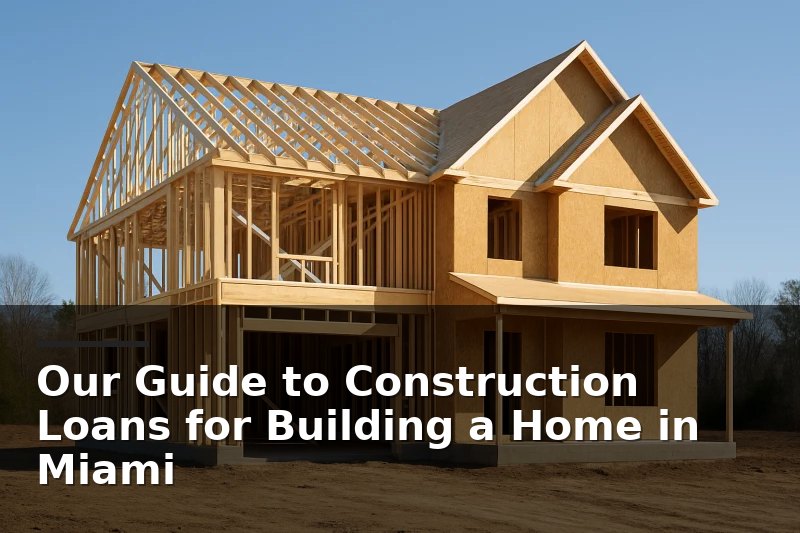
Building a home in Miami gives you control over the design, but financing the land, construction, and permanent mortgage can feel complicated. A construction loan is short-term financing that funds a home in stages as work is completed, then is either paid off or converted into a permanent mortgage. In this guide, we at MOR Lending (NMLS# 1992934) explain how construction loans work, what lenders review, and what Miami borrowers should expect from planning through completion.
Key Takeaways
- Purpose: Construction loans can finance land acquisition, building costs, labor, materials, permits, and other eligible project expenses.
- Requirements: Lenders typically review the borrower, property, builder, plans, budget, appraisal, and construction schedule.
- Funding: Money is generally released through draws after completed work is inspected.
- Timeline: Closing and construction timelines depend on permitting, builder readiness, inspections, weather, and project complexity.
- Best For: Construction financing may fit borrowers building a primary residence, second home, or qualifying investment property.
Quick Answers About Construction Loans
- Can a construction loan include the land? Often, yes. The loan may finance a lot purchase or pay off an existing land loan, depending on the program and total project value.
- Do payments begin while the home is being built? Commonly, borrowers make interest payments based on the amount already disbursed rather than the full loan amount. Terms vary by lender.
- Does the builder need to be reviewed? Usually. Lenders commonly evaluate the builder’s license, insurance, experience, financial position, and project history.
- Can self-employed borrowers qualify? Yes, if income, assets, credit, and the project meet the applicable guidelines. Documentation options vary significantly between conventional and Non-QM programs.
How a Construction Loan Works
A traditional mortgage finances a completed property. A construction loan finances a project that does not yet exist in its finished form. That creates more moving parts — and more risk for the lender to evaluate.
The process begins with the lot, architectural plans, specifications, builder contract, and detailed budget. An appraiser then estimates the property’s future value based on the proposed home and available comparable sales.
If the loan closes, the lender does not normally release the entire construction budget at once. Funds are disbursed in stages called draws. Each draw corresponds to completed work, such as the foundation, framing, roofing, mechanical systems, or interior finishes.
The Typical Construction Process
- Project planning: The borrower selects the property, builder, plans, materials, and estimated construction schedule.
- Loan review: The lender evaluates the borrower’s finances along with the project documents and builder qualifications.
- Appraisal: The appraiser reviews the plans, specifications, site, budget, and expected completed value.
- Closing: Final loan documents are signed, required borrower funds are documented, and the construction account is established.
- Draws and inspections: The builder requests funds as work is completed. Inspections verify progress before money is released.
- Completion: Final inspections, title updates, occupancy documentation, and other lender conditions are completed.
- Permanent financing: The construction balance converts into a mortgage or is paid off with a separate permanent loan.
This structure helps keep the budget connected to actual progress. It also means draw timing matters. Builders and borrowers should understand the lender’s inspection and disbursement process before construction begins.
Construction-to-Permanent vs. Two-Close Financing
There are two common ways to structure construction financing. The right choice depends on the project, available loan programs, expected completion timeline, and long-term financing plan.
| Feature | Construction-to-Permanent | Two-Close Construction |
|---|---|---|
| Structure | Construction and permanent financing are arranged through one transaction. | A short-term construction loan is followed by a separate permanent mortgage. |
| Closing Process | Usually one initial closing, subject to the program’s conversion requirements. | Two separate closings with separate documentation and costs. |
| Permanent Terms | Established according to the construction-to-permanent program. | Determined when the borrower applies for the permanent mortgage. |
| Main Tradeoff | A simpler closing structure, but fewer opportunities to change programs later. | More flexibility at completion, but the borrower must qualify and close again. |
A two-close structure can provide flexibility if the borrower expects the permanent financing strategy to change. The tradeoff is uncertainty. Market conditions, property value, income, assets, and credit will be reviewed again for the permanent mortgage.
A one-close structure can reduce duplication, but it still requires careful planning. Conversion conditions, completion deadlines, rate terms, and extension provisions should be clear before signing.
What Lenders Review Before Financing a Miami Build
Construction underwriting is not based on income and credit alone. The lender must determine whether the entire project is financially and operationally sound.
Borrower Qualifications
Lenders commonly review credit history, documented income, available assets, current debts, housing history, and cash reserves. They may also calculate the borrower’s required contribution using the lower of the project cost or appraised value, depending on the program.
Traditional guidelines don’t fit everyone. Self-employed borrowers may show strong cash flow while reporting taxable income that does not fully reflect the strength of the business. In the right scenario, Non-QM documentation — including bank statement loans — may provide another path, although construction availability and requirements vary by lender.
The goal is creative financing without cutting corners. Every income source, asset, and project cost still needs to be documented according to the selected program.
Builder Qualifications
The builder is part of the credit decision because the lender is relying on that company to complete the home. Review commonly includes licensing, insurance, experience, references, financial documentation, and a history of comparable projects.
Some programs require an independent licensed general contractor and do not permit owner-builder arrangements. A builder accepted by one lender may not automatically meet another lender’s standards. That is a lender-specific decision, not a universal rule.
Plans, Specifications, and Budget
The plans should define what is being built. The specifications should identify the materials, systems, finishes, and major features. The budget should connect those details to realistic costs.
Lenders generally look for a line-item budget covering labor, materials, permits, professional services, utility connections, site work, and reserves for unexpected expenses. Unclear allowances can create problems later — especially if the selected finishes cost more than originally estimated.
Property Eligibility and Appraised Value
The completed-value appraisal estimates what the property may be worth after construction is finished according to the submitted plans and specifications. It is not simply the lot value plus the construction contract.
This distinction matters in Miami’s luxury and high-cost market. A highly customized home may cost more to build than comparable sales support. If the project cost exceeds the value recognized by the appraisal, the borrower may need additional funds or a revised plan.
Miami Factors That Can Affect the Loan and Timeline
Building in Miami-Dade requires local planning. Coastal conditions, wind requirements, flood exposure, insurance availability, site preparation, and municipal permitting can all affect the budget and schedule.
Flood Zones and Insurance
Flood-zone status can affect required insurance and the project’s total carrying cost. Windstorm and homeowners coverage also need to satisfy lender requirements before the loan converts or the final funds are released.
Insurance should be reviewed early — not after the home is nearly complete. The projected premium can affect qualification, while coverage limitations may affect property eligibility.
Permits and Municipal Reviews
Permit timelines vary across Miami, Coral Gables, Doral, Pinecrest, Key Biscayne, Coconut Grove, and other local jurisdictions. Design changes, zoning questions, environmental reviews, or incomplete submissions can extend the schedule.
A longer schedule can create additional interest expense and may require an extension of the construction loan. Borrowers should review extension terms before closing rather than assuming additional time will automatically be available.
Higher-Cost Projects
Custom construction in areas such as Miami Beach, Brickell, Aventura, and Sunny Isles Beach may require financing above conforming limits. A jumbo home loan may be part of the permanent strategy, but jumbo construction standards can be more detailed and vary by lender.
Some borrowers may also qualify for construction financing connected to an FHA home loan. FHA construction programs can allow a 3.5% minimum down payment in qualifying scenarios, but lender participation, builder requirements, property standards, and current limits must all be verified.
How to Prepare Before Applying
A strong construction file starts before the loan application. The more complete the project is, the easier it is to identify the right structure and address potential issues.
- Confirm ownership of the lot: Provide the purchase contract, deed, current loan statement, or proposed lot contract.
- Select the builder: Ask whether the builder is licensed, insured, and prepared to provide lender-required documentation.
- Complete the plans: Preliminary ideas are helpful, but underwriting and appraisal generally require detailed plans and specifications.
- Build a complete budget: Include site work, permits, design fees, utility connections, landscaping, and realistic allowances.
- Review available funds: Plan for the required contribution, closing costs, reserves, and expenses that may not be financed.
- Organize income documents: Salaried and self-employed borrowers will have different documentation needs.
- Discuss the permanent mortgage: Compare fixed-rate, jumbo, government-backed, and other eligible structures before construction begins.
As of 2026, program availability, loan limits, pricing, fees, and documentation standards continue to vary. Agency rules establish a baseline, but lenders may apply additional overlays. Reviewing multiple mortgage loan options can help clarify which structure fits the property and financial profile.
Common Construction Loan Mistakes to Avoid
Starting Before the Loan Closes
Work completed before closing may not be eligible for reimbursement or included in the lender’s valuation. Even site clearing or material deposits can create documentation issues. The lender should confirm what can begin and when.
Using an Incomplete Budget
A low estimate may make the project look easier to finance, but it does not reduce the actual cost. Missing permits, utility work, design fees, or finish upgrades can create a gap later.
Changing the Plans Without Review
Material changes can affect the appraisal, budget, permits, and draw schedule. Borrowers should discuss major design or specification changes with the lender before authorizing them.
Focusing Only on the Construction Phase
The permanent mortgage deserves equal attention. A successful build does not automatically mean the final loan will fit the borrower’s long-term budget. We look at both phases from the beginning — the money needed to complete the home and the financing needed to keep it.
Build the Financing Strategy Before You Build the Home
Construction financing is not a standard purchase loan with a longer closing. It is a coordinated strategy involving the borrower, builder, appraiser, title company, inspectors, insurance professionals, and lender.
We can help you review the lot, builder, budget, income documentation, and permanent mortgage options before the project moves too far. Call, text, or email us to compare scenarios, discuss pre-approval planning, and understand the next steps for building in Miami.
Frequently Asked Questions
What happens if construction costs exceed the original budget?
The borrower may need to cover overruns with additional funds unless the budget includes an eligible contingency reserve. Significant increases can also require updated plans, a revised appraisal, or additional lender review.
Can equity in land I already own count toward my contribution?
It often can, depending on the land value, existing liens, ownership history, and loan program. The lender will review the appraisal and title information to determine how much eligible equity may be credited.
How long does it take to close a construction loan?
Construction loans commonly take longer than standard purchase loans because the lender must review the borrower, builder, plans, budget, appraisal, title, and permits. The timeline varies based on document readiness, project complexity, and lender requirements.
Can a construction loan finance demolition of an existing home?
Some programs may include eligible demolition and site-preparation costs when they are part of an approved construction budget. The lender must also confirm title, insurance, permits, valuation, and any rules affecting the existing structure.
What happens if the home is not finished by the loan deadline?
The lender may offer an extension if the project remains eligible, but extensions are not automatic and may involve additional review or costs. If delays occur, the borrower and builder should communicate with the lender before the maturity date.
This is educational and not financial advice. Loan programs and guidelines can change. Talk with a licensed mortgage professional about your specific scenario.

Roy George
MOR Lending serves markets across the U.S. and has helped thousands of clients/investors/families finance their new home purchase. We specialize in Self Employed, Investor, Veteran, first-time homebuyer and non traditional loan types.

Related Posts