Construction-to-Permanent Loans: How Move-Up Buyers Build and Finance Their Next Home
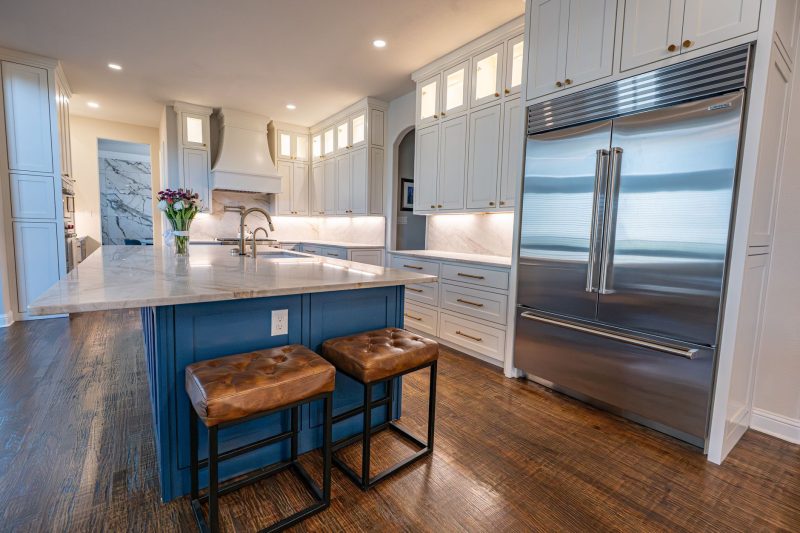
Building a new home is a big step, but figuring out how to finance a custom build when you already own a home can bring just as many questions. A construction-to-permanent loan is a single mortgage that covers both the construction of your new property and long-term financing once construction is complete. In this guide, we’ll break down how these loans work, who they help most, and what to expect if you’re ready to build your next chapter.
Key Takeaways
- Purpose: Construction-to-permanent loans simplify funding for new home builds by rolling construction and mortgage financing into one.
- Requirements: Lenders typically look for strong credit, stable income, a qualified builder, and detailed construction plans.
- Timeline: Funding occurs in stages during construction, then the loan automatically converts to a standard mortgage at project completion.
- Best For: Move-up buyers who want to build a custom home while leveraging equity or existing property.
Quick Answers
- Can you use equity from your current home? Yes—many move-up buyers leverage equity or explore bridge loan options to facilitate the build process.
- How does the loan process work? Funds are released in scheduled draws during construction, with permanent financing taking over at the end.
- Do you need a large down payment? Down payment requirements may be higher than for standard purchases; some programs accept as low as 5-10%, but check guidelines.
- What if you’re self-employed? Alternative documentation options, such as bank statement loans, are available for qualifying borrowers.
What Is a Construction-to-Permanent Loan?
A construction-to-permanent loan (also called a one-time close loan) allows you to finance the building of a new home and convert the balance into a long-term mortgage—without needing to secure two separate loans or pay two sets of closing costs. The process typically includes:
- A short-term construction phase (interest-only payments during building)
- Automatic conversion to a permanent loan—usually a 15-, 20-, or 30-year fixed or adjustable mortgage—once construction is finished and the home is move-in ready
This structure gives you simplicity, one closing appointment, and rate protection from the outset.
How the Process Works: Step by Step
- Pre-Approval and Planning. Before breaking ground, get pre-approved for a construction-to-perm loan. Work with your builder on detailed plans, budget, and timeline.
- Loan Application and Documentation. Submit income, assets, credit profile, builder credentials, and project plans. Traditional guidelines don’t fit everyone, so the team at MOR Lending (NMLS# 1992934) can walk you through flexible solutions for entrepreneurs or those with non-traditional income streams.
- Appraisal and Underwriting. The lender orders an appraisal based on the completed property’s projected value, not as-is.
- Closing. You sign one set of documents and pay closing costs up front. Construction funding is ready to start.
- Construction Draws. The lender releases money in stages (“draws”) as the builder hits predetermined milestones. During this phase, payments are typically interest-only on the amount drawn.
- Conversion to Permanent Loan. When construction is finished—and a final inspection confirms completion—the loan switches to standard mortgage terms. You begin regular monthly payments based on the remaining balance, rate, and loan type selected at the start.
Why Choose Construction-to-Perm as a Move-Up Buyer?
If you’ve outgrown your current home or want to design a property tailored to your changing needs, a construction-to-permanent loan offers a streamlined path. Move-up buyers can often:
- Use the equity from their existing home toward the down payment or construction costs
- Plan for the timing of their home sale and move with less disruption
- Lock in a rate up front, avoiding potential market swings or qualification changes mid-project
- Work with a single lender from dirt-to-doorstep
Real estate wealth begins with the right financing strategy. Whether your next move means a new primary residence in Florida’s beach cities, near Dallas or Charleston, or a custom build in Maricopa or Miami-Dade, construction-to-perm loans can help you leverage existing assets and achieve more flexibility.
Who Qualifies? Income, Credit & Property Requirements
Construction-to-permanent loans are built for borrowers who want control over the design process—and who can document their ability to repay both the cost of the build and the ongoing mortgage. Here’s what lenders typically look for:
- Credit Score: Good credit is important, with most programs requiring mid-to-high scores. Non-QM programs can help if your situation is unique.
- Stable Income: Employed, self-employed, and entrepreneurial borrowers are all eligible—creative financing without cutting corners is possible, especially when alternative documentation is needed.
- Down Payment: Expect to bring a sizable investment, although certain options go as low as 5-10% down depending on the program, property, and builder experience.
- Builder Approval: Lenders review builder credentials, licensing, and insurance to ensure work quality.
- Detailed Plans: Blueprints, permits, contracts, and timeline are required for underwriting.
Every scenario is unique—especially for those who own another property, run a business, or invest in real estate. Bank statement loans and asset-based lending can keep doors open for many self-employed clients.
What Programs Are Available?
At MOR Lending, we adapt every day because traditional guidelines don’t fit everyone. Construction-to-permanent loans are available as:
- Conventional construction-to-perm—for those who meet standard credit, income, and documentation standards
- FHA and VA construction-to-perm—for those who qualify for government-backed programs (including veterans)
- Non-QM (Non-Qualified Mortgage)—for scenarios that require more flexibility, such as self-employed income, debt coverage ratios, or complex asset profiles
- Jumbo and High-Balance—popular in high-cost areas like Orange County, Los Angeles, Miami, and Phoenix
Some programs let you purchase vacant land and finance construction. Others cover just the build, or allow property types like multi-units. It’s not one-size-fits-all: investor financing specialists and creative professionals have options, too.
Comparing Construction-to-Perm to Other Construction Financing
| Feature | Construction-to-Perm | Two-Time Close | Renovation Loan |
|---|---|---|---|
| Closes | One Time | Two Times (Build + Mortgage) | One Time |
| Interest Rate Lock | Up Front | Varies, May Change | Up Front |
| Closing Costs | Single Set | Twice (Higher Total) | Single Set |
| Best Use | Ground-Up Construction | Custom/Complex Projects | Buy + Major Improvements |
Common Questions from Move-Up Buyers
- Can I move in before selling my old house? Yes, with proper planning—some borrowers keep their current property until the new home is complete, using bridge loans or equity lines; others coordinate closings to line up the move seamlessly.
- What if my finances are complex? We have solutions for entrepreneurs, real estate investors, and self-employed clients, including non-QM and bank statement programs.
- Do construction loans take longer? They require more up-front planning and paperwork, but having a detailed builder contract and a responsive team makes the timeline clear and manageable for most projects.
How to Start: Planning for Construction-to-Perm Success
The strongest move-up strategies start long before the first shovel hits the ground. Consider partnering early with a lender who understands both new construction and asset leverage. Get pre-approved so you’re clear on budget, timing, and documentation.
At MOR Lending, we built our process around transparency and real-world education because we believe that confident clients make the best decisions. That means clear numbers, a collaborative plan with your builder, and realistic expectations from the outset. If you’re ready to map out your next move, our local presence spans from Miami, Dallas-Fort Worth, Charleston, and Phoenix to Atlanta, Denver, Orange County, and beyond—meeting the needs of homeowners ready to build, invest, or grow.
Let’s Talk—Bring Us Your Blueprint
Every dream home starts with a conversation. Whether you’re early in the planning stage or ready to pull permits, we’re here to offer honest guidance on construction-to-perm loans and every stage of the build process. Reach out by phone, email, or text to review your scenario, compare loan options, or start your pre-approval plan—it all begins with clarity.
MOR Lending was founded on the idea that true transparency empowers better homebuying choices throughout life’s various milestones.
Frequently Asked Questions
How much down payment do I need for a construction-to-permanent loan?
Down payment requirements typically range from 5% to 20%, depending on the loan program, credit profile, and property location. Some options may accept a lower down payment for qualified borrowers, especially on existing land.
Can I use the equity from my current home to build a new house?
Yes, many move-up buyers use a home equity line or bridge financing to unlock funds for construction. Talk with a lender about timing and how to coordinate the sale of your current property if needed.
What documentation is needed for self-employed borrowers?
Self-employed borrowers may qualify with tax returns, bank statements, or alternative documentation, depending on the loan type. Bank statement and asset-based programs are available when traditional W-2 income is not the full story.
Do construction-to-perm loans work for second homes or investment properties?
Yes, some construction-to-permanent loans can be used for second homes or investment projects, especially through non-QM or specialty investor programs. Guidelines vary—check with your lender about program eligibility for your intended use.
How long is the construction phase, and when do payments start?
The construction phase usually runs 6 to 12 months, depending on the build. During this time, you’ll make interest-only payments on funds disbursed; your full mortgage payment begins after conversion to the permanent phase.
This is educational and not financial advice. Loan programs and guidelines can change. Talk with a licensed mortgage professional about your specific scenario.

Roy George
MOR Lending serves markets across the U.S. and has helped thousands of clients/investors/families finance their new home purchase. We specialize in Self Employed, Investor, Veteran, first-time homebuyer and non traditional loan types.

Related Posts